
Know Your CAHPS
Everything you need in one place. Start by choosing your service line — the survey and the language are different for Home Health and Hospice.
Also printed on the back flap of the home health guidebook.
What arrives in the mail
Here is exactly what patients and families receive — the envelope, the cover letter that comes with it, and the survey itself, so you know what they are being asked.
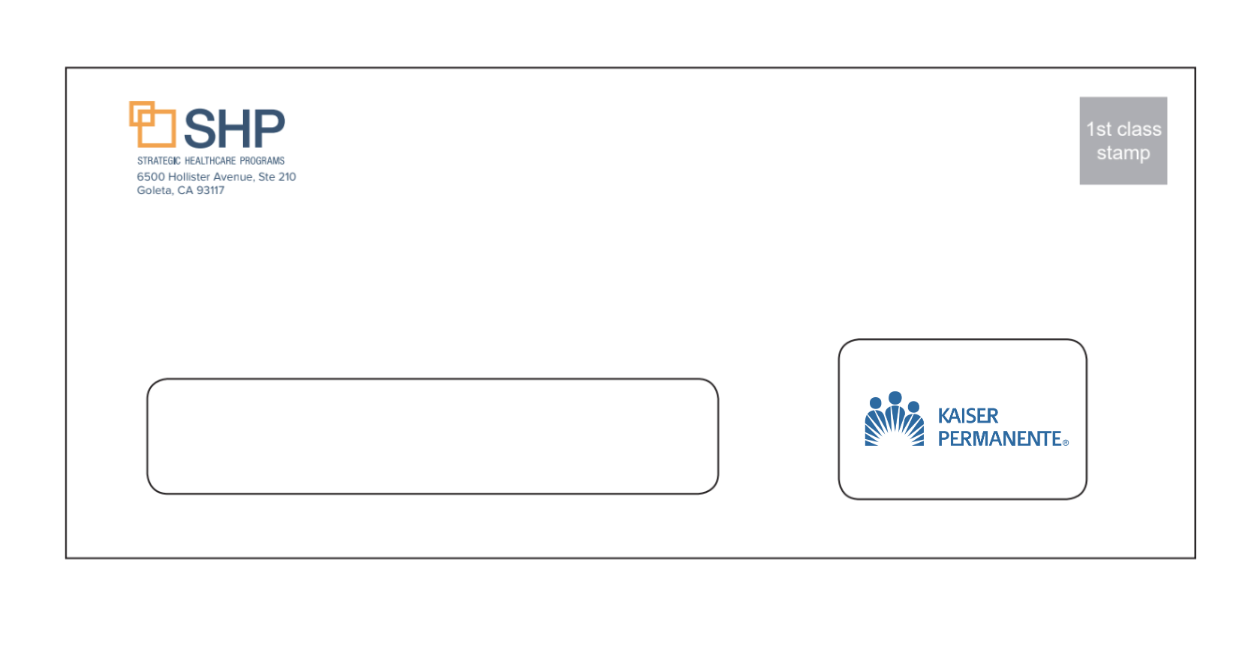
Surveys are mailed by Strategic Healthcare Programs (SHP) on Kaiser Permanente’s behalf. If someone says they got “a letter from SHP,” this is it — encourage them to open it and share their honest experience.
Why it matters
What can I say?
What should I avoid saying?
“Asking someone to give you a specific rating or answer.”
“Invite honest feedback: “your honest feedback is completely voluntary and highly appreciated.””
“Offering or implying a reward, gift, or favor for completing a survey.”
“Explain the purpose: their feedback helps us learn, grow, and improve care.”
“Asking to see, fill in, or help complete the survey.”
“Let them know it is confidential and completely their own.”
“Pressuring, repeating the request, or making it feel like a favor to you.”
“Offer it once, warmly, and thank them in advance.”
“Discussing scores, ratings, stars, or agency performance with a patient or family.”
“Keep the conversation about their experience and their voice.”